
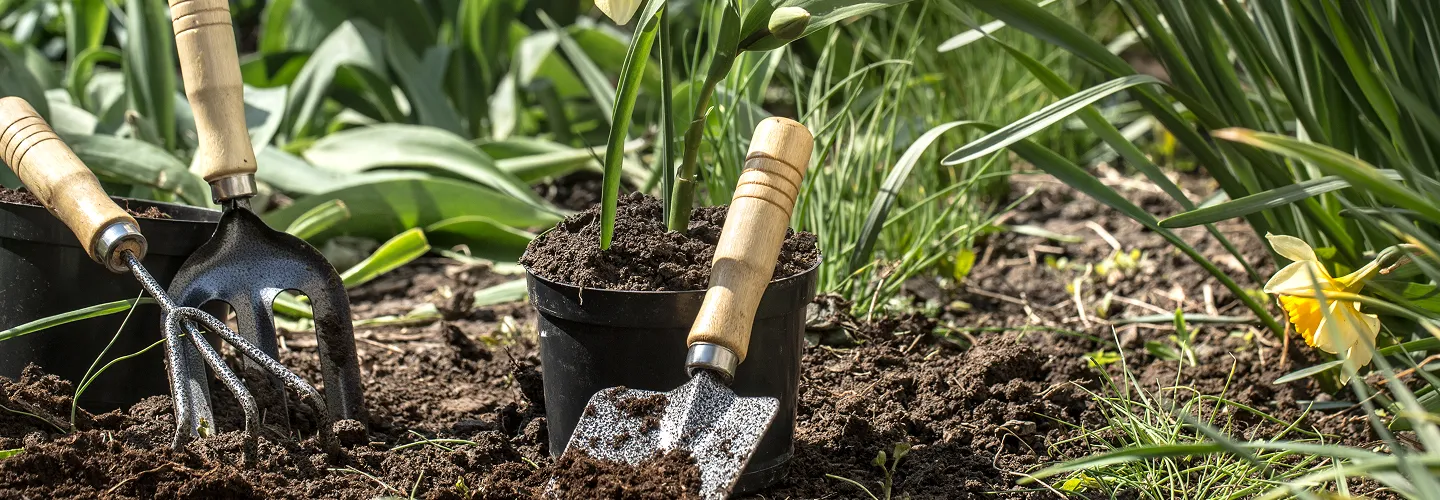
Holly Springs Green Waste Disposal Services
Choose our Green Waste Disposal for reliable, environmentally responsible service that keeps your property clean and supports a healthier community.
Get a Free QuoteOur Holly Springs Landscaping & Yard Care Services
When to Schedule Green Waste Disposal in Holly Springs, Georgia – Seasonal Guide
In Holly Springs, Georgia, the best times for green waste disposal are closely tied to our unique climate and landscape. With warm, humid summers and mild winters, most homeowners find late spring and early fall to be optimal for clearing yard debris. These periods align with the end of the frost season and the start of leaf drop, making it easier to manage accumulated branches, leaves, and grass clippings. Neighborhoods near J.B. Owens Park and along Toonigh Creek often experience heavy leaf fall and rapid plant growth, requiring timely disposal to maintain curb appeal and prevent pest issues.
Local environmental factors such as the risk of late spring frosts, summer droughts, and the clay-heavy soils common in Holly Springs all play a role in determining the right disposal schedule. Areas with dense shade, like those near the Holly Springs Community Center, may see slower decomposition of organic waste, while properties with more sun exposure need more frequent cleanups. For more information on local guidelines and best practices, visit the Sudbury municipal resource.
Local Factors to Consider for Green Waste Disposal in Holly Springs
- Tree density and types (oak, pine, and maple are prevalent)
- Terrain and slope, especially in neighborhoods like Harmony on the Lakes
- Seasonal precipitation patterns and humidity
- Municipal restrictions on disposal dates and methods
- Proximity to water features such as Toonigh Creek
- Soil type, particularly clay-rich areas
- Shade coverage affecting decomposition rates
Benefits of Green Waste Disposal in Holly Springs
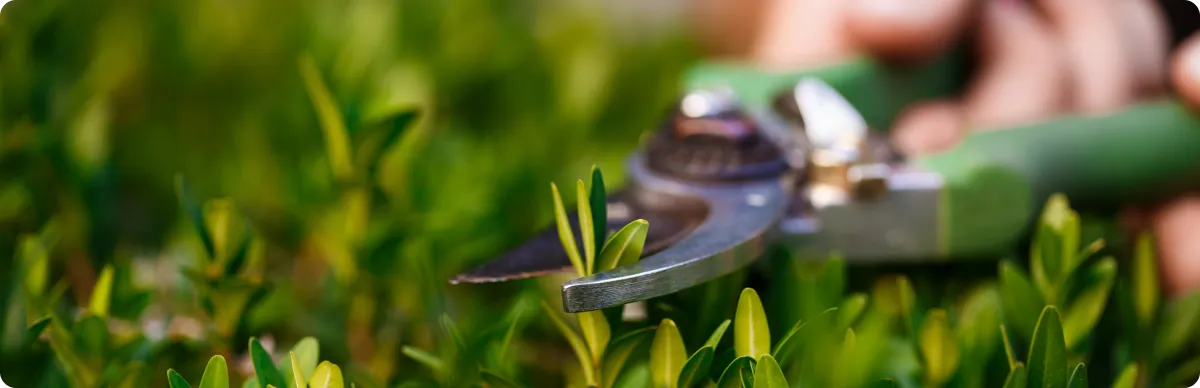
Eco-Friendly Landscaping Solutions
Efficient Yard Waste Removal
Promotes Healthy Plant Growth
Reduces Landfill Waste
Supports Local Recycling Efforts
Enhances Curb Appeal
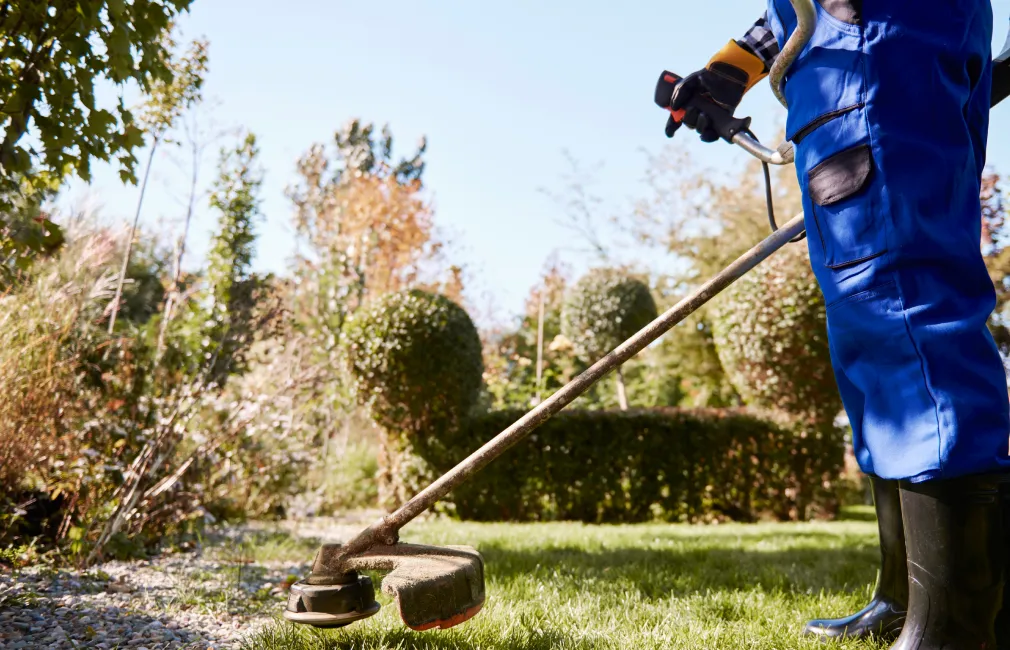
Holly Springs Green Waste Disposal Types

Grass Clippings
-
Tree Branches
-
Leaves Collection
-
Shrub Trimmings
-
Garden Debris
-
Mulch Disposal
-
Yard Waste Bags
Our Green Waste Disposal Process
Collection of Green Waste
Sorting and Separation
Transport to Disposal Facility
Eco-Friendly Processing
Why Choose Holly Springs Landscape Services
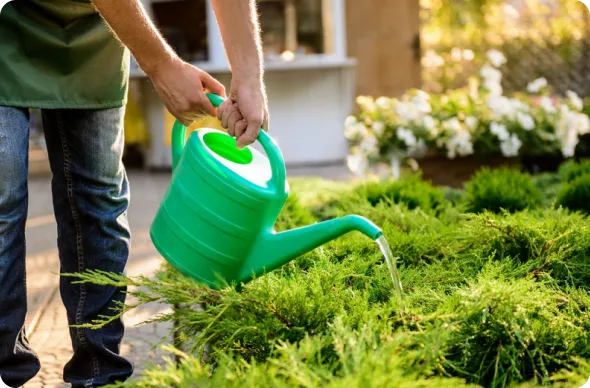
-
Holly Springs Homeowners Trust Us
-
Expert Lawn Maintenance
-
Reliable Scheduling
-
Competitive Pricing
-
Professional Team
-
Satisfaction Guarantee
-
Personalized Service
Holly Springs Public Works Yard Waste Collection Procedures and Compliance
Residents and property managers in Holly Springs, Georgia, must follow established municipal procedures when placing green waste at the curb for collection. The Holly Springs Public Works Department oversees right-of-way maintenance and coordinates residential waste pickup schedules. Green waste eligible for curbside collection typically includes grass clippings, leaves, small branches, and garden trimmings. To ensure timely pickup and avoid code violations, residents should observe the following general preparation standards:
- Bag or bundle yard debris securely before placement at the curb
- Keep brush bundles to manageable lengths, generally no longer than four feet
- Separate green waste from household trash and recyclables
- Avoid placing debris directly over storm drain inlets or drainage swales
- Confirm current collection days with Public Works, as schedules may vary by zone or season
Verify current pickup schedules and any container or bundling requirements directly with the department, as operational details are subject to change.
Holly Springs Public Works Department
100 Hickory Flat Road, Holly Springs, GA 30115
Official Website: Holly Springs Public Works Department
Protecting Holly Springs Stormwater Infrastructure During Green Waste Removal
Holly Springs sits within the Upper Etowah River watershed, a drainage basin subject to active water quality monitoring and erosion control requirements. Improper green waste disposal — including dumping clippings, leaves, or brush near drainage ditches, detention ponds, or stormwater inlets — can introduce organic matter and sediment into the city's stormwater conveyance system, contributing to nutrient loading and downstream water quality degradation. The Holly Springs Stormwater Management program administers local drainage system maintenance and environmental compliance programs aligned with Georgia EPD Watershed Protection Branch standards and the federal EPA NPDES Program. Property owners should:
- Never blow or rake clippings into street gutters or storm drains
- Keep green waste at least 10 feet from drainage swales, detention basins, and creek banks where feasible
- Bag clippings from fertilized or treated turf before disposal
- Report illegal dumping of yard debris near waterways to the Stormwater office
Holly Springs Stormwater Management
Official Website: Holly Springs Stormwater Management
Red Clay Soils in Holly Springs and Their Effect on Green Waste Volume and Timing
Holly Springs is located in the Georgia Piedmont, where the predominant soils are Cecil and Appling series — dense, red clay-based Ultisols with limited natural drainage and high compaction potential. According to the USDA Web Soil Survey, these soils support vigorous warm-season turf growth during the humid summer months, generating substantial volumes of grass clippings and organic debris from May through September. Holly Springs falls within USDA Hardiness Zone 7b, with warm summers and mild winters that extend the active growing season well into autumn. Key timing considerations for green waste management include:
- Peak clipping volume: May through August, when warm-season grasses grow most aggressively
- Leaf fall accumulation: October through December, particularly in wooded and creek-adjacent lots
- Post-storm debris: most significant following summer thunderstorms and occasional winter ice events
- Soil compaction from heavy debris piles can impede drainage on clay-dominant lots; prompt removal is advisable
UGA Cooperative Extension provides regionally specific guidance on turf management and organic debris handling for Piedmont Georgia conditions.
Holly Springs Code Enforcement Standards for Overgrown Vegetation and Debris Accumulation
The Holly Springs Code Enforcement division investigates property violations related to nuisance vegetation, excessive debris accumulation, and unmaintained lots. Unmanaged green waste — including piles of leaves, brush, or clippings left on private property for extended periods — may constitute a code violation subject to notice and remediation requirements. Property owners and managers should be aware of the following compliance considerations:
- Accumulated yard debris that creates harborage for pests or obstructs drainage may trigger a code complaint
- Vegetation encroaching on public rights-of-way or sidewalks is subject to municipal maintenance standards
- Overgrown lots with grass exceeding local height thresholds may receive violation notices
- Brush or limb piles remaining on-site after storm events should be removed or properly staged for collection within a reasonable timeframe
Confirm current ordinance thresholds and violation procedures with the Code Enforcement office, as specific height limits and debris standards are subject to local ordinance updates.
Holly Springs Code Enforcement
Official Website: Holly Springs Code Enforcement
Invasive Plant Debris Handling and Disposal Precautions in Holly Springs
Holly Springs's wooded corridors, creek margins, and transitional lots are susceptible to colonization by invasive plant species common throughout the Georgia Piedmont, including kudzu (Pueraria montana), English ivy (Hedera helix), Chinese privet (Ligustrum sinense), and Japanese honeysuckle (Lonicera japonica). When removing invasive vegetation, improper disposal of plant material — particularly composting or mulching seed-bearing or root-fragmenting species — can accelerate their spread. UGA Extension's Invasive Species program recommends the following disposal precautions:
- Bag invasive plant material separately from standard yard waste
- Do not compost kudzu, privet, or other species capable of regenerating from stem or root fragments
- Dispose of invasive debris through municipal collection rather than on-site composting
- Avoid stockpiling invasive material near drainage corridors, wooded edges, or adjacent undeveloped lots
- Confirm with Public Works whether invasive plant debris requires special handling or separate staging
The Holly Springs Tree Commission supports urban forestry and beautification efforts that may include guidance on invasive species removal within city-managed green spaces.
What Neighborhoods Do We Serve Throughout Holly Springs, GA?
- Downtown Holly Springs and City Center: Older residential lots with established tree canopy generate significant leaf and limb debris seasonally; proximity to municipal facilities supports efficient collection coordination.
- Hickory Flat Road Corridor: A mix of established subdivisions and newer development along a primary arterial; red clay soils and graded fill lots create variable drainage conditions affecting debris accumulation patterns.
- Canton Highway Neighborhoods: Higher-density residential areas with active HOA maintenance standards; green waste staging and curbside placement must align with community appearance requirements.
- Avery Park and Adjacent Subdivisions: Wooded lot edges and creek-adjacent properties in this area generate elevated volumes of organic debris, particularly following summer storms and autumn leaf fall.
- Holly Springs Parkway Developments: Newer subdivisions with compacted fill soils and limited mature canopy; green waste volumes are lower but stormwater inlet proximity requires careful debris placement.
- Sixes Road Area: Transitional neighborhoods with a mix of wooded and open lots; invasive vegetation pressure along wooded margins increases green waste complexity during seasonal cleanups.