
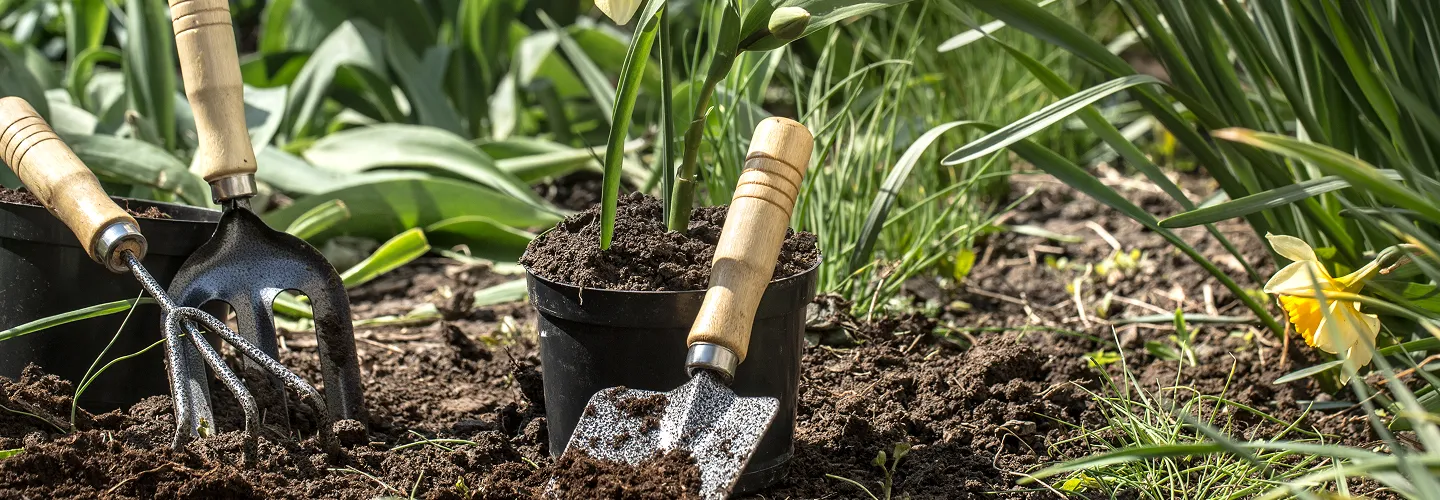
Holly Springs Flower Bed Maintenance Services
Choose our expert Flower Bed Maintenance for lush, healthy blooms and weed-free beds—enjoy a beautiful landscape without the hassle.
Get a Free QuoteOur Holly Springs Landscaping & Yard Care Services
When to Schedule Flower Bed Maintenance in Holly Springs, Georgia – Seasonal Guide
In Holly Springs, Georgia, the best times for flower bed maintenance are closely tied to our unique climate and local landscape features. Spring and early fall are generally optimal, as these periods offer moderate temperatures and consistent rainfall, which help new plantings establish strong roots. The last frost typically occurs in late March, making early April ideal for planting and mulching, while late September through October is perfect for preparing beds for winter and refreshing perennials.
Local neighborhoods like Harmony on the Lakes and the areas surrounding Barrett Park often experience microclimates due to varying tree coverage and proximity to water features. Factors such as heavy clay soils, common in Holly Springs, and the risk of summer droughts or high humidity can influence the timing and type of maintenance required. For more information on local environmental guidelines, visit the Sudbury town website.
Local Factors to Consider for Flower Bed Maintenance in Holly Springs
- Tree density and shade coverage, especially in established neighborhoods
- Soil type (clay-heavy soils may require special amendments)
- Average precipitation and risk of summer drought
- Frost dates and seasonal temperature swings
- Terrain and drainage patterns, particularly in hilly areas
- Municipal restrictions or watering schedules
- Proximity to landmarks like Barrett Park or Sixes Road corridors
Benefits of Flower Bed Maintenance in Holly Springs
Enhanced Curb Appeal
Weed and Pest Prevention
Healthier Plant Growth
Seasonal Color Management
Professional Expertise
Time and Effort Savings
Holly Springs Flower Bed Maintenance Types

Seasonal Flower Planting
-
Weed Control Services
-
Mulch Installation
-
Soil Amendment
-
Edging and Trimming
-
Fertilization Programs
-
Pest and Disease Management
Our Flower Bed Maintenance Process
Site Evaluation
Weed Removal
Soil Preparation
Plant Care
Mulching
Why Choose Holly Springs Landscape Services
-
Holly Springs Homeowners Trust Us
-
Expert Lawn Maintenance
-
Reliable Scheduling
-
Competitive Pricing
-
Professional Team
-
Satisfaction Guarantee
-
Personalized Service
Red Clay Soil Preparation and Bed Amendment Practices in Holly Springs
Holly Springs sits within Georgia's Piedmont region, where the predominant soils are Cecil and Appling series — dense, red clay-based Ultisols with naturally acidic pH levels typically ranging from 5.0 to 6.0. These soils compact readily under foot traffic and equipment, limiting root penetration and water infiltration in flower beds. Before establishing or renovating planting beds, property owners should conduct a soil test through UGA Cooperative Extension to determine pH and nutrient levels. Recommended amendments for Holly Springs flower beds typically include:
- Incorporation of 3–4 inches of aged compost to improve drainage and organic matter
- Lime applications to raise pH toward the 6.0–6.5 range preferred by most ornamental plants
- Gypite or coarse sand additions in severely compacted areas to improve pore structure
- Raised bed construction where drainage is persistently poor
The USDA Web Soil Survey provides parcel-level soil data useful for planning bed placement and amendment strategies specific to your Holly Springs property.
Seasonal Timing for Flower Bed Maintenance in Holly Springs's USDA Zone 7b Climate
Holly Springs falls within USDA Hardiness Zone 7b, with average minimum winter temperatures between 5°F and 10°F. The city's location in Cherokee County gives it a long warm season — typically frost-free from mid-April through late October — with hot, humid summers and moderate winters. This climate window shapes flower bed maintenance timing significantly:
- Spring bed preparation: Begin edging, mulch refresh, and cool-season annual removal in late March through April as soil temperatures reach 55°F
- Summer maintenance: Deadheading, weeding, and irrigation monitoring are critical from June through August when heat stress peaks
- Fall planting window: September through October is optimal for installing cool-season annuals such as pansies and ornamental kale
- Winter dormancy tasks: Perennial cutback and bed edging can occur November through February without disrupting active growth
The National Weather Service Peachtree City forecast office provides local frost date and temperature data relevant to Holly Springs planting schedules. Timing bed maintenance to align with these seasonal windows reduces plant stress and improves establishment rates.
Protecting Holly Springs Stormwater Infrastructure During Bed Maintenance Activities
Flower bed maintenance activities — including mulch application, soil amendment, fertilizer use, and pesticide treatment — carry runoff risk that can affect Holly Springs's stormwater drainage network. The city's stormwater system is managed under its Municipal Separate Storm Sewer System (MS4) permit, which aligns with federal Clean Water Act requirements and the EPA NPDES Program. Property owners and maintenance professionals should observe the following practices near storm inlets, drainage swales, and creek corridors:
- Maintain a minimum 10-foot buffer between fertilizer or pesticide application zones and any storm drain inlet or drainage channel
- Avoid blowing or washing mulch, clippings, or bed debris into street gutters or storm drains
- Apply granular fertilizers only when rain is not forecast within 24–48 hours
- Use slow-release fertilizer formulations to reduce leaching potential in clay soils
Holly Springs Stormwater Management
100 Hickory Flat Road, Holly Springs, GA 30115
Official Website: Holly Springs Stormwater Management
The Georgia EPD Watershed Protection Branch provides additional guidance on water quality protection standards applicable to residential and commercial landscaping activities throughout the state.
Holly Springs Code Enforcement Standards for Overgrown and Neglected Flower Beds
Holly Springs Code Enforcement actively monitors properties for vegetation and landscaping conditions that may constitute nuisance violations under the city's municipal code. Neglected flower beds with excessive weed growth, invasive plant encroachment, or debris accumulation can trigger code complaints and formal notices of violation. Property owners and managers should be aware of the following compliance considerations:
- Weeds and volunteer vegetation in front-yard beds that exceed visible thresholds may be cited under nuisance vegetation provisions
- Invasive species such as English ivy, kudzu, and Chinese privet — common in Cherokee County — should be actively managed and removed; consult UGA Extension - Invasive Species for identification and removal guidance
- Bed debris, dead plant material, and accumulated organic waste left at the curb must comply with city disposal procedures coordinated through Public Works
- Frontage beds adjacent to sidewalks and rights-of-way are subject to visibility and clearance standards
Holly Springs Code Enforcement
100 Hickory Flat Road, Holly Springs, GA 30115
Official Website: Holly Springs Code Enforcement
Proactive seasonal maintenance — including edging, weeding, and mulch replenishment — is the most effective strategy for maintaining compliance with city standards.
Georgia Pesticide Licensing Requirements for Professional Flower Bed Treatment
When flower bed maintenance involves the application of herbicides, insecticides, or fungicides by a hired contractor, Georgia law requires that the applicator hold a valid pesticide license issued by the Georgia Department of Agriculture. Under the Georgia Pesticide Use and Application Act of 1976, commercial pesticide applicators must be licensed in the appropriate category — typically Category 27 (Ornamental and Turf) for flower bed and landscape work. Property owners in Holly Springs should verify the following before authorizing pesticide applications:
- Confirm the contractor holds a current Georgia Department of Agriculture pesticide license
- Request the license number and category prior to any chemical application
- Ensure the applicator provides a written record of products used, application rates, and target pests
- Pre-emergent herbicide applications in beds are most effective when timed to soil temperatures below 55°F in early spring
Unlicensed commercial pesticide application is a violation of state law and may expose property owners to liability. The Georgia Department of Agriculture's Agricultural Pest Control program handles licensing verification and complaint intake.
What Neighborhoods Do We Serve Throughout Holly Springs, GA?
Flower bed maintenance needs vary considerably across Holly Springs's diverse residential and mixed-use neighborhoods, reflecting differences in soil conditions, lot age, tree canopy, and proximity to drainage features.
- Harmony on the Lakes: This established community features mature landscaping and proximity to stormwater detention ponds, requiring careful fertilizer and mulch management to protect water quality near shoreline areas.
- Arbor Glen: Lots in this subdivision include significant tree canopy cover, creating shaded bed conditions that favor shade-tolerant perennials and require more frequent mulch replenishment due to leaf accumulation.
- Hickory Flat corridor neighborhoods: Properties along this corridor often include newer fill soils from recent development, which may require additional organic amendment before flower beds establish well.
- Downtown Holly Springs area: Older residential lots near the city center tend to have more compacted, long-settled clay soils with established root competition from mature trees.
- Bridgemill-adjacent residential areas: These larger-lot subdivisions near the Cherokee County line feature mixed sun and shade exposures with HOA frontage maintenance expectations that influence bed design and upkeep frequency.
- Creekside and wooded-edge properties: Homes adjacent to tributary corridors of Noonday Creek and Little River require particular attention to erosion control in sloped beds and buffer compliance near stream margins.