
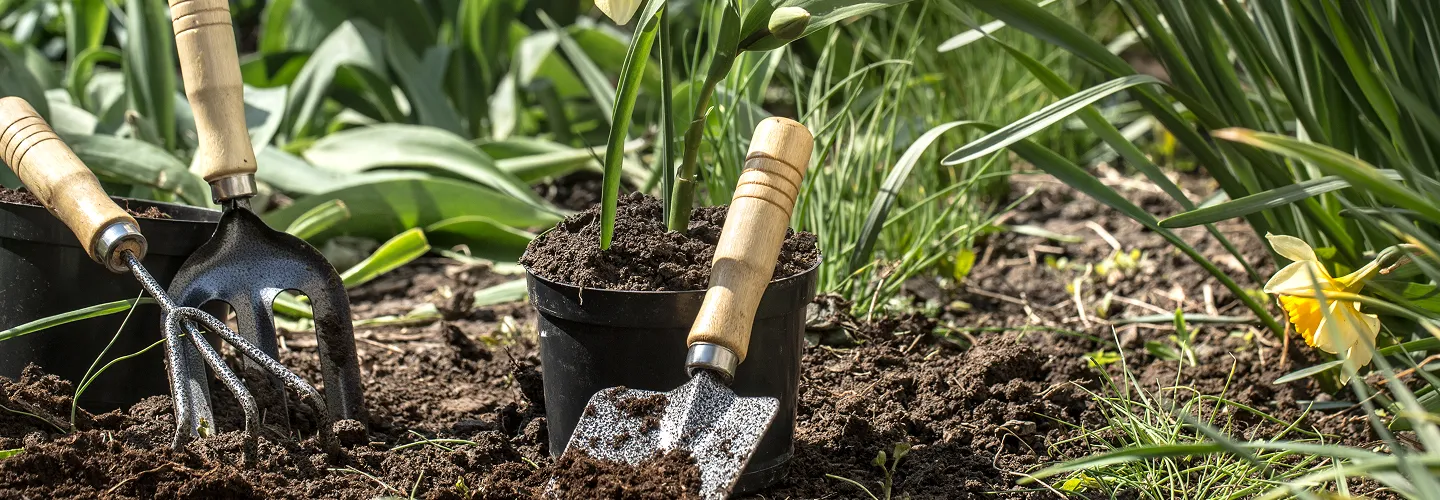
Holly Springs Flower Planting Services
Choose our flower planting services for vibrant, healthy blooms that enhance your home's curb appeal and create a welcoming outdoor space—our experienced team selects the best flowers for your soil and climate, ensuring lasting beauty all season long.
Get a Free QuoteOur Holly Springs Landscaping & Yard Care Services
When to Schedule Flower Planting in Holly Springs, Georgia – Seasonal Guide
Flower planting in Holly Springs, Georgia, is best scheduled with careful attention to our region’s unique climate and landscape. The optimal planting windows typically fall in early spring, after the last frost date, and again in early fall, when temperatures begin to cool but before the first frost arrives. Neighborhoods near J.B. Owens Park and along Sixes Road often experience microclimates due to varying elevations and tree coverage, which can influence the best timing for planting.
Local environmental factors such as late spring frosts, periods of summer drought, and the clay-heavy soils common in Holly Springs all play a role in determining when and how to plant for lasting blooms. Homeowners should also consider shade from mature oaks in areas like Harmony on the Lakes, as well as municipal watering restrictions, which can be found on the official town website. By understanding these local nuances, you can ensure your flower beds thrive throughout the season.
Local Factors to Consider for Flower Planting in Holly Springs
- Proximity to large trees and resulting shade coverage
- Soil composition, especially clay content and drainage
- Average precipitation and risk of summer drought
- Frost dates and seasonal temperature swings
- Terrain and elevation differences across neighborhoods
- Municipal watering schedules and restrictions
Benefits of Flower Planting in Holly Springs
Expert Local Knowledge
Customized Landscape Designs
Seasonal Plant Selection
Enhanced Curb Appeal
Eco-Friendly Practices
Reliable Maintenance Services
Holly Springs Flower Planting Types

Annual Flower Beds
Seasonal color displays with vibrant annuals for dynamic curb appeal.
-
Perennial Gardens
Long-lasting blooms that return year after year for low-maintenance beauty.
-
Native Plant Installations
Eco-friendly flower choices that thrive in the Holly Springs climate.
-
Pollinator Gardens
Flower beds designed to attract bees, butterflies, and other pollinators.
-
Shade Garden Plantings
Flower selections ideal for shaded or partially shaded landscape areas.
-
Container Flower Arrangements
Versatile and movable flower displays for patios, decks, and entryways.
-
Wildflower Meadows
Naturalistic plantings for a low-maintenance, colorful landscape.
Our Flower Planting Process
Site Evaluation
Soil Preparation
Plant Selection
Careful Planting
Watering and Mulching
Why Choose Holly Springs Landscape Services
-
Holly Springs Homeowners Trust Us
-
Expert Lawn Maintenance
-
Reliable Scheduling
-
Competitive Pricing
-
Professional Team
-
Satisfaction Guarantee
-
Personalized Service
Optimal Flower Planting Windows for Holly Springs's Piedmont Climate
Holly Springs, Georgia, falls within USDA Hardiness Zone 7b, situated in the Cherokee County portion of the Metro Atlanta Piedmont region. This zone designation supports a broad range of flowering annuals and perennials, but timing remains critical for establishment success. According to UGA Cooperative Extension, the last average frost date for the Holly Springs area typically falls between mid-March and early April, making late April through May the preferred window for installing warm-season annuals such as zinnias, marigolds, and vinca. Cool-season flowering plants, including pansies and snapdragons, perform best when planted between late September and early November. Summer heat and humidity in Cherokee County can stress newly installed plants if planting occurs during peak July and August temperatures. Practical timing guidelines include:
- Warm-season annuals: Plant after last frost, typically late April–May
- Cool-season annuals: Plant September–November for fall and winter color
- Perennials: Establish in spring (April–May) or early fall (September–October) to allow root development before temperature extremes
- Avoid: Planting during sustained heat above 90°F without irrigation support
Consult the USDA Plant Hardiness Zone Map to verify zone-specific guidance for Cherokee County.
Holly Springs Red Clay Soils and Bed Preparation for Flower Planting
The predominant soils in Holly Springs and the surrounding Cherokee County area are Piedmont Ultisols, commonly identified through the USDA Web Soil Survey as Cecil and Pacolet series soils. These red clay loams are characteristically dense, acidic (typically pH 5.0–6.0), and prone to compaction under foot traffic and equipment pressure. Poor drainage in compacted clay beds leads to root suffocation and fungal disease in flowering plants. Effective bed preparation for flower planting in Holly Springs requires:
- Soil amendment: Incorporate 3–4 inches of compost or aged organic matter tilled to a depth of 8–10 inches
- pH adjustment: Apply lime as directed by a soil test to raise pH toward 6.0–6.5 for most flowering annuals and perennials
- Drainage improvement: Grade beds away from structures and avoid low-lying areas prone to standing water
- Compaction relief: Avoid working clay soils when saturated to prevent structural damage
Soil testing through UGA Cooperative Extension is strongly recommended before amending beds, as over-application of lime or fertilizer can create nutrient imbalances in already-acidic Piedmont soils.
Protecting Holly Springs Stormwater Infrastructure During Flower Bed Installation
Flower planting activities that involve soil disturbance, fertilizer application, or mulch placement near drainage features require awareness of Holly Springs's stormwater management program. The city's stormwater infrastructure includes curb inlets, roadside swales, and drainage corridors that connect to local tributaries within the Etowah River watershed. Disturbed soil, excess fertilizer, and displaced mulch can enter storm drains and degrade downstream water quality in violation of the Clean Water Act and local ordinance. The Georgia EPD Watershed Protection Branch oversees water quality standards applicable to Cherokee County's waterways. Property owners and contractors should:
- Install silt barriers or edging around new beds adjacent to curbs or drainage swales
- Avoid applying granular fertilizers within 10 feet of storm drain inlets
- Secure mulch with edging or netting on sloped beds to prevent displacement during rain events
- Refrain from washing soil or plant debris into street gutters or drainage channels
Holly Springs Stormwater Management
100 Hickory Flat Road, Holly Springs, GA 30115
Official Website: Holly Springs Stormwater Management
Holly Springs Code Enforcement Standards Affecting Residential Flower Beds
Flower planting in Holly Springs is subject to municipal code standards that govern property maintenance, frontage appearance, and vegetation management. Holly Springs Code Enforcement investigates property violations and supports neighborhood preservation standards that may apply to overgrown, unmaintained, or improperly installed planting beds. Residents and property managers should be aware of the following compliance considerations:
- Planting beds in the public right-of-way may require coordination with the city prior to installation; verify current right-of-way planting policies before placing beds near sidewalks or street edges
- Vegetation that obstructs sightlines at intersections or driveways may be subject to removal under local visibility ordinances
- Beds that allow soil erosion onto adjacent properties or public sidewalks may trigger code complaints
- Invasive plant species identified by UGA Extension - Invasive Species should be avoided in residential plantings to prevent spread into adjacent natural areas
Holly Springs Code Enforcement
100 Hickory Flat Road, Holly Springs, GA 30115
Official Website: Holly Springs Code Enforcement
Selecting Heat- and Shade-Tolerant Flowers for Holly Springs's Wooded Lots
Holly Springs contains a mix of newer subdivisions and established wooded residential lots, particularly in areas adjacent to creek corridors and preserved tree canopy. Shade tolerance is a critical selection factor for flower planting in these settings, as mature hardwood canopy can reduce direct sunlight to 2–4 hours per day in some beds. The Holly Springs Tree Commission actively supports urban forestry and canopy preservation, meaning that tree removal to improve sun exposure for flower beds is not a recommended approach. Appropriate plant selections for varying light conditions in Holly Springs include:
- Full shade (under 2 hours sun): Impatiens, caladiums, astilbe, and hostas
- Part shade (2–4 hours sun): Begonias, coleus, coral bells, and ferns
- Full sun (6+ hours): Zinnias, marigolds, coneflowers, black-eyed Susans, and lantana
- Native flowering plants: Native species such as coneflower (Echinacea purpurea) and black-eyed Susan (Rudbeckia hirta) are well-adapted to Cherokee County's climate and support local pollinators
Consult the Holly Springs Parks & Recreation department for guidance on plant selections near city-maintained green spaces or trail corridors.
What Neighborhoods Do We Serve Throughout Holly Springs, GA?
- Holly Springs Town Center Area: Properties near the city's central commercial and civic core often feature smaller residential lots with compacted urban soils and limited bed space; careful soil amendment is essential for successful flower establishment.
- Hickory Flat Corridor: This transitional area along the Hickory Flat Road corridor includes a mix of established and newer residential developments, with varying sun exposure depending on lot orientation and adjacent tree canopy.
- Avery Landing: A newer subdivision community with fill soils common to recent Cherokee County development; beds may require significant organic matter incorporation to support flowering plant root systems.
- Woodmont: Established residential neighborhood with mature tree canopy providing significant shade pressure; shade-tolerant flowering plant selections are particularly important in this area.
- Canton Highway Corridor Neighborhoods: Properties along and adjacent to Canton Highway include a range of lot sizes and drainage conditions, with some areas near drainage swales requiring stormwater-conscious bed placement.
- Creek-Adjacent Residential Areas Near Noonday Creek: Lots bordering Noonday Creek and its tributaries are subject to riparian buffer considerations; flower bed installation near these corridors should avoid soil disturbance within established buffer zones and comply with Georgia EPD Water Conservation guidance.