
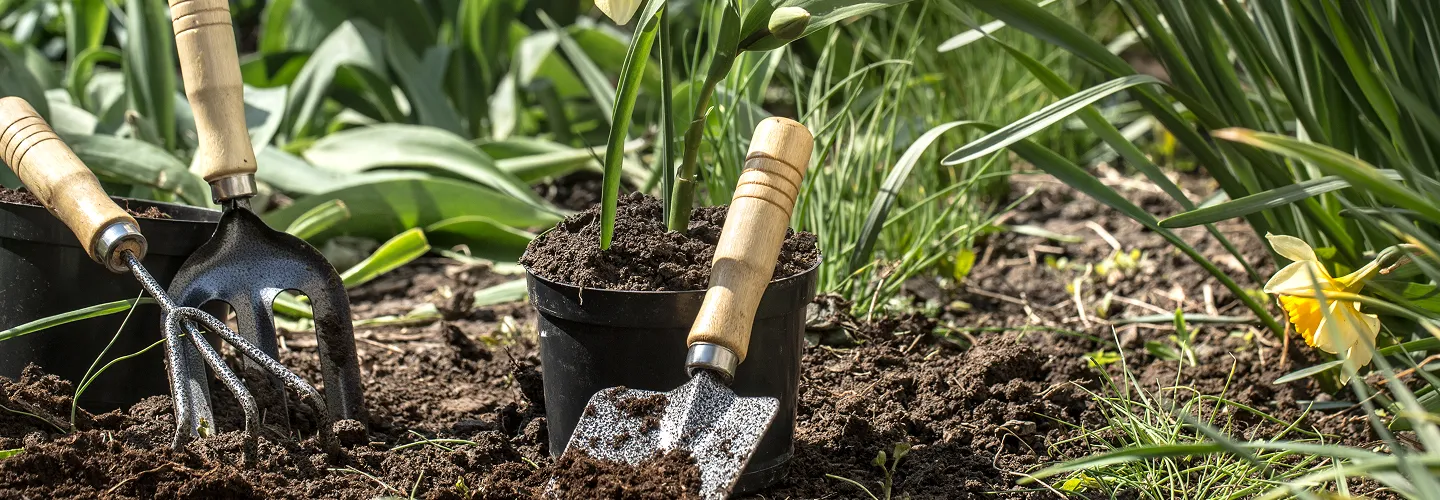
Holly Springs Brush Removal Services
Choose our professional brush removal services for fast, thorough clearing that enhances safety, boosts curb appeal, and prepares your land for any project—trusted by Holly Springs homeowners for reliable results.
Get a Free QuoteOur Holly Springs Landscaping & Yard Care Services
When to Schedule Brush Removal in Holly Springs, Georgia – Seasonal Guide
In Holly Springs, Georgia, timing your brush removal is essential for maintaining a healthy and attractive landscape. The region’s humid subtropical climate means that vegetation grows rapidly from late spring through early fall, especially in neighborhoods like Harmony on the Lakes and near J.B. Owens Park. The optimal periods for brush removal are typically late winter to early spring, before new growth begins, and again in late fall after the majority of leaves have dropped. These windows help minimize disruption to local wildlife and ensure that your property is clear of debris before the peak growing or dormant seasons.
Local environmental factors play a significant role in determining the best time for this service. For example, Holly Springs experiences its last frost around mid-March, making early spring ideal for clearing brush without risking damage to emerging plants. Summer’s high humidity and occasional droughts can increase fire risk, so removing excess brush before these conditions set in is wise. Areas with dense shade, such as those near Toonigh Creek, may require more frequent attention due to slower decomposition rates and persistent moisture. For more information on local environmental guidelines, visit the official resource.
Local Factors to Consider for Brush Removal in Holly Springs
- Tree density and type of vegetation on your property
- Terrain and slope, especially in hilly neighborhoods
- Seasonal precipitation patterns and risk of drought
- Local frost dates and temperature fluctuations
- Municipal restrictions or scheduled community clean-up events
- Proximity to landmarks like J.B. Owens Park or Harmony on the Lakes
- Soil type and drainage characteristics
Benefits of Brush Removal in Holly Springs
Enhanced Curb Appeal
Improved Lawn Health
Reduced Pest Infestation
Increased Usable Space
Fire Hazard Reduction
Professional and Timely Service
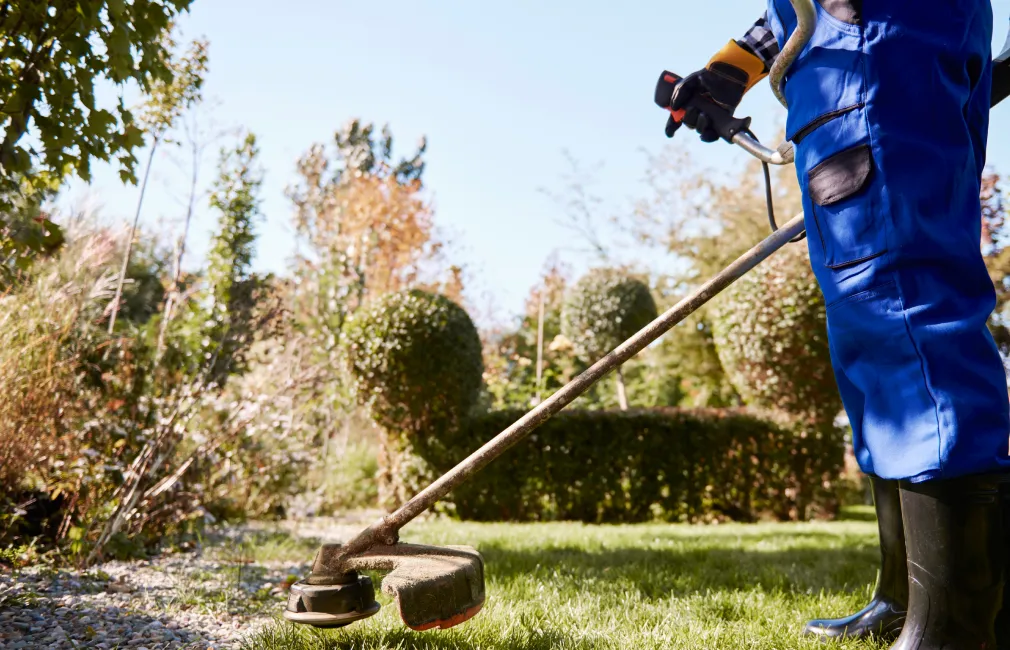
Holly Springs Brush Removal Types

Tree Limb Removal
-
Shrub and Hedge Clearing
-
Overgrown Vegetation Removal
-
Yard Debris Hauling
-
Stump and Root Extraction
-
Storm Damage Cleanup
-
Lot and Land Clearing
Our Brush Removal Process
Site Evaluation
Safety Preparation
Brush Clearing
Debris Removal
Final Inspection
Why Choose Holly Springs Landscape Services
-
Holly Springs Homeowners Trust Us
-
Expert Lawn Maintenance
-
Reliable Scheduling
-
Competitive Pricing
-
Professional Team
-
Satisfaction Guarantee
-
Personalized Service
Holly Springs Code Enforcement Standards for Overgrowth and Brush Accumulation
Property owners in Holly Springs, GA are subject to municipal code requirements governing the maintenance of vegetation, brush, and overgrowth on private lots. The Holly Springs Code Enforcement division investigates property violations related to nuisance vegetation, including unchecked brush accumulation that may obstruct sightlines, create fire hazards, or compromise neighborhood preservation standards. Violations can result in formal notices and, if unresolved, municipal abatement at the property owner's expense. Key compliance considerations include:
- Brush and woody debris must not encroach on public rights-of-way or obstruct drainage infrastructure
- Overgrown lots in residential zones may trigger code complaints from adjacent property owners
- Vacant parcels and undeveloped lots are subject to the same maintenance standards as improved properties
- Repeat violations may escalate to formal citation proceedings
Property owners managing wooded or partially cleared lots should proactively schedule brush removal to remain in compliance. Confirm current ordinance thresholds directly with the Code Enforcement office before undertaking large-scale clearing projects.
Holly Springs Code Enforcement
100 Hickory Flat Road, Holly Springs, GA 30115
Phone: (770) 345-5536
Official Website: Holly Springs Code Enforcement
Brush Removal Timing and Seasonal Conditions in Holly Springs's Piedmont Climate
Holly Springs is located in USDA Plant Hardiness Zone 7b, situated within Georgia's Piedmont region where warm, humid summers and mild winters create year-round woody vegetation growth. According to the USDA Plant Hardiness Zone Map, average minimum winter temperatures range from 5°F to 10°F, meaning most invasive shrubs and brush species remain semi-active through winter months. Optimal brush removal windows include:
- Late winter (February–March): Dormant-season clearing reduces disturbance to nesting wildlife and allows stumps and root systems to be treated before spring flush
- Late fall (November–December): Leaf drop improves visibility into dense thickets, making identification and removal of woody invasives more efficient
- Avoid April–August peak growth: Rapid regrowth during summer months may require follow-up clearing within 60–90 days if root systems are not addressed
UGA Cooperative Extension recommends dormant-season removal for many invasive woody species common to North Georgia, including privet, multiflora rose, and Chinese wisteria, as cut-stump herbicide treatments are most effective when applied during this period.
Protecting Holly Springs Stormwater Infrastructure During Brush Clearing Operations
Holly Springs's stormwater management program oversees drainage systems, detention features, and water quality protection throughout the city. Brush removal operations conducted near drainage ditches, detention ponds, creek corridors, or stormwater inlets require particular care to prevent sediment displacement and debris entry into the municipal drainage network. The Holly Springs Stormwater Management division administers erosion control and environmental compliance programs aligned with the Clean Water Act and the EPA NPDES Program. Practical precautions during brush removal near drainage features include:
- Install silt fencing or erosion barriers before clearing slopes adjacent to drainage channels
- Do not pile cut brush or woody debris within 25 feet of any stormwater inlet, ditch, or detention basin
- Avoid clearing during or immediately after heavy rainfall events to minimize soil disturbance
- Remove all cut material promptly to prevent debris from washing into drainage infrastructure
Holly Springs sits within the Etowah River watershed, a designated priority watershed under Georgia EPD Watershed Protection Branch programs. Brush removal near creek corridors or low-lying areas with seasonal ponding should be planned with particular attention to buffer zone integrity.
Holly Springs Stormwater Management
100 Hickory Flat Road, Holly Springs, GA 30115
Phone: (770) 345-5536
Official Website: Holly Springs Stormwater Management
Invasive Woody Species Pressure on Holly Springs Lots and Wooded Corridors
Holly Springs's Piedmont location and mix of established residential lots, wooded buffers, and newer subdivisions creates significant pressure from invasive woody species. According to UGA Extension - Invasive Species, the following species are among the most problematic in Cherokee County and surrounding Piedmont areas:
- Chinese privet (Ligustrum sinense): Extremely aggressive in disturbed woodland edges and creek margins; forms dense monocultures that suppress native understory
- Kudzu (Pueraria montana): Rapid summer growth can overtake brush piles, fences, and tree lines within a single season
- Autumn olive and multiflora rose: Common along fence lines and wooded lot edges in older Holly Springs neighborhoods
- Japanese honeysuckle: Climbs and smothers native shrubs along drainage corridors
Effective brush removal for invasive species requires more than cutting — root systems must be treated or mechanically removed to prevent resprouting. The USDA Web Soil Survey identifies Cecil and Pacolet series clay loam soils as predominant in this area, which retain moisture and support aggressive root regrowth if stumps are left untreated. Property owners should plan for follow-up inspections 60–90 days after initial clearing.
Holly Springs Tree Commission Coordination for Brush Removal Near Protected Trees
Brush removal projects that involve clearing vegetation near established trees, wooded buffers, or areas under the purview of Holly Springs's urban forestry programs should be coordinated with the Holly Springs Tree Commission. The Tree Commission provides leadership in urban forestry, tree preservation, and beautification initiatives supporting Holly Springs's Tree City USA designation. While brush removal itself typically does not require a formal tree permit, clearing operations that may damage root zones, remove understory trees, or alter canopy structure near protected corridors may warrant review. Relevant considerations include:
- Mechanical brush removal equipment operating near mature tree root zones can cause compaction damage extending 1–1.5 times the canopy drip line
- Clearing that removes understory trees above a certain diameter at breast height (DBH) may trigger review through Holly Springs Community Development
- Brush removal adjacent to Holly Springs parks, greenways, or public tree corridors should be coordinated with Parks and Recreation staff before work begins
Confirm current tree protection thresholds and review triggers with Community Development prior to initiating clearing on wooded parcels.
Holly Springs Tree Commission
100 Hickory Flat Road, Holly Springs, GA 30115
Phone: (770) 345-5536
Official Website: Holly Springs Tree Commission
What Neighborhoods Do We Serve Throughout Holly Springs, GA?
- Downtown Holly Springs and Holly Springs Parkway Corridor: Established lots with mature tree canopy and wooded edges along commercial-residential transition zones; brush accumulation along rear lot lines and drainage swales is common in this area.
- Hickory Flat Road Residential Areas: Mix of older established homes and newer infill development; wooded rear yards with significant invasive privet and honeysuckle pressure along fence lines and creek-adjacent buffers.
- Avery Park and Surrounding Subdivisions: Newer subdivision development with fill soils and graded lots; brush removal needs often arise along retained wooded buffers at subdivision perimeters and stormwater detention areas.
- Holly Springs Road Corridor (near Etowah River tributaries): Properties in this corridor may include low-lying areas with seasonal moisture and dense brush growth along drainage channels; stormwater buffer compliance is a priority consideration.
- Toonigh Road and Canton Highway Neighborhoods: Semi-rural residential lots with larger acreage; kudzu, privet, and bramble encroachment along fence lines and wooded edges is a recurring maintenance challenge.
- Sixes Road Area Subdivisions: Active growth-area neighborhoods with a mix of cleared and partially wooded lots; brush removal is frequently needed along retained tree lines and rear easements during and after new construction phases.