
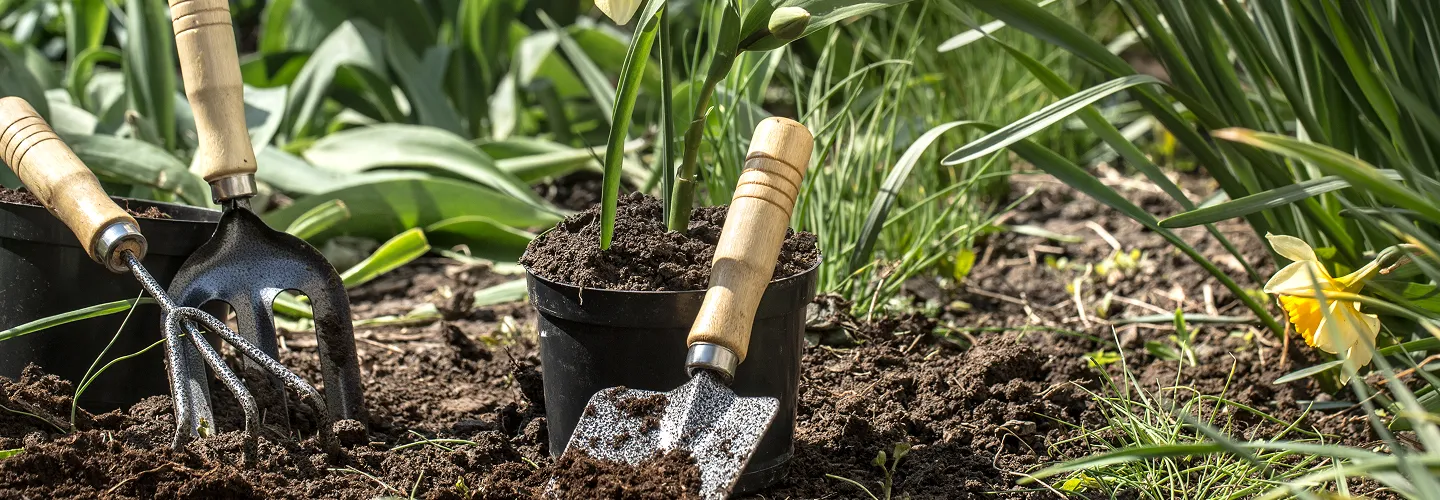
Holly Springs Weeding Services
Choose our expert weeding services for a healthier, more vibrant landscape—our experienced team ensures your garden stays pristine, saving you time and effort while protecting your plants from invasive weeds.
Get a Free QuoteOur Holly Springs Landscaping & Yard Care Services
When to Schedule Weeding in Holly Springs, Georgia – Seasonal Guide
In Holly Springs, Georgia, the best times to schedule weeding are closely tied to our region’s unique climate and landscape. Early spring and late fall are generally optimal, as these periods align with moderate temperatures and increased soil moisture, making weed removal more effective. The last frost typically occurs in late March, so beginning weeding in neighborhoods like Harmony on the Lakes or near Barrett Park just after this date helps prevent early weed growth from taking hold. Conversely, late fall weeding—before the first frost—can reduce weed seed banks for the following year.
Local environmental factors play a significant role in determining the right timing for weeding. Holly Springs experiences humid summers and occasional droughts, especially in areas with less shade or sandy soils. Properties near the Etowah River or with dense tree coverage may require more frequent attention due to higher moisture retention and shade, which can encourage weed proliferation. For more information on local environmental guidelines, visit the official town website.
Local Factors to Consider for Weeding in Holly Springs
- Tree density and shade coverage
- Soil type (clay, loam, or sandy soils)
- Seasonal precipitation and drought risk
- Proximity to water sources like the Etowah River
- Terrain and slope of the property
- Municipal restrictions or neighborhood association guidelines
Benefits of Weeding in Holly Springs
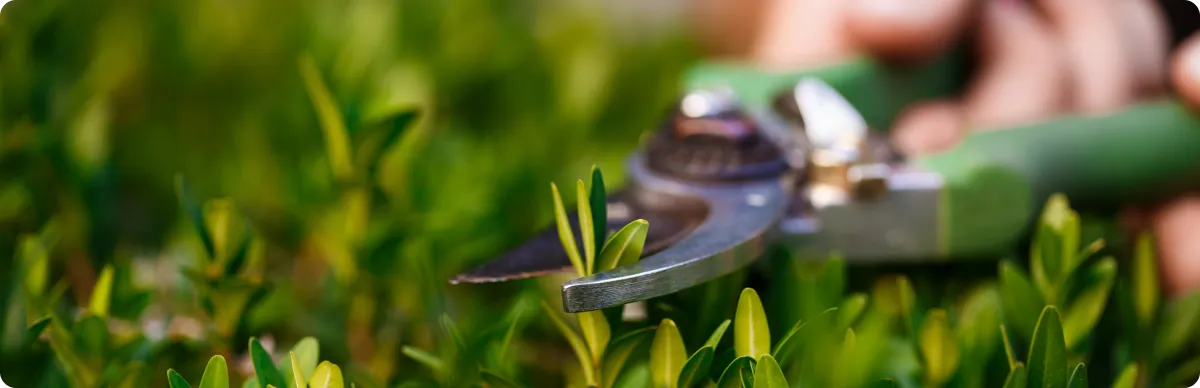
Enhanced Curb Appeal
Healthier Plant Growth
Reduced Pest Infestation
Improved Soil Quality
Professional and Reliable Service
Time and Effort Savings
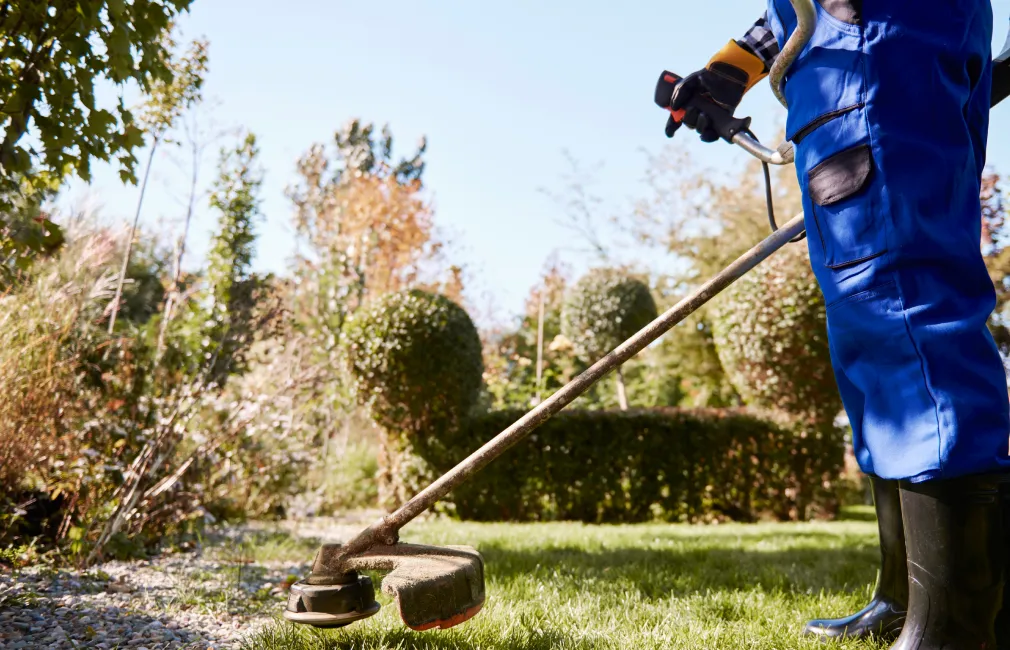
Holly Springs Weeding Types

Hand Weeding
-
Mulch Application
-
Pre-Emergent Weed Control
-
Post-Emergent Herbicide Treatment
-
Landscape Fabric Installation
-
Mechanical Weed Removal
-
Selective Spot Spraying
Our Weeding Process
Site Evaluation
Weed Identification
Targeted Removal
Soil Treatment
Final Inspection
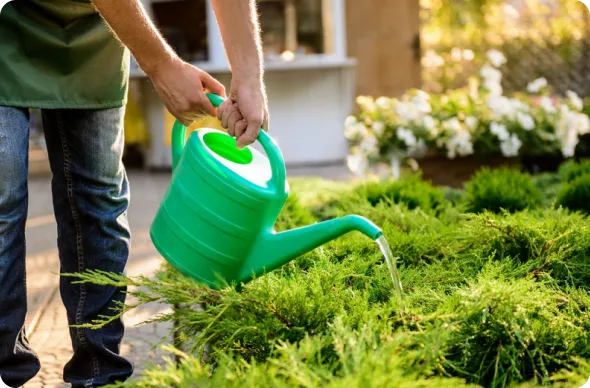
Why Choose Holly Springs Landscape Services
-
Holly Springs Homeowners Trust Us
-
Expert Lawn Maintenance
-
Reliable Scheduling
-
Competitive Pricing
-
Professional Team
-
Satisfaction Guarantee
-
Personalized Service
Weed Pressure in Holly Springs's Piedmont Red Clay Beds and Lawn Areas
Holly Springs, GA sits within USDA Hardiness Zone 7b, where warm, humid summers and mild winters create persistent weed pressure across residential and commercial properties. Soils in the area are predominantly Cecil and Appling series—classic Piedmont red clay Ultisols characterized by low organic matter, moderate to poor drainage in compacted zones, and a pH typically ranging from 5.0 to 6.0. These conditions favor aggressive weed species including crabgrass (Digitaria spp.), nutsedge (Cyperus spp.), and broadleaf plantain (Plantago major). Key site-specific factors affecting weed management include:
- Compacted red clay surfaces that limit turf density and invite weed colonization
- Shaded bed areas under mature tree canopy where moisture retention promotes broadleaf weed establishment
- Disturbed fill soils in newer subdivisions that carry dormant weed seed banks
- Sloped lots where erosion exposes bare soil and accelerates weed germination
According to UGA Cooperative Extension, soil pH correction through lime application is a foundational step in reducing weed pressure in Georgia Piedmont lawns, as dense, healthy turf is the most effective long-term weed suppression strategy.
Optimal Weeding Timing for Holly Springs's Long Warm-Season Growth Window
Holly Springs experiences a growing season that typically extends from late March through early November, with soil temperatures at the 4-inch depth reaching 65°F or above by mid-April—the threshold at which warm-season weeds such as crabgrass begin active germination. Effective weeding schedules for the area should account for the following seasonal windows:
- Late February to mid-March: Apply pre-emergent herbicide treatments before soil temperatures consistently exceed 55°F to intercept crabgrass and goosegrass germination
- April through June: Peak hand-weeding and post-emergent treatment period for broadleaf weeds in planting beds and turf
- July through August: Monitor for nutsedge expansion during peak heat and humidity; mechanical removal is most effective before seed set
- September through October: Address cool-season weed emergence, including henbit (Lamium amplexicaule) and chickweed (Stellaria media)
The National Weather Service Peachtree City forecast office provides local temperature and precipitation data useful for timing pre-emergent applications accurately. Allowing weeds to set seed before removal significantly increases future management burden across successive growing seasons.
Holly Springs Code Enforcement Standards for Overgrowth and Nuisance Vegetation
Property owners in Holly Springs are subject to municipal code provisions that address overgrown vegetation, nuisance weeds, and unmaintained lots. The Holly Springs Code Enforcement division investigates complaints related to property maintenance violations, including excessive weed growth that may constitute a public nuisance or create conditions affecting neighboring properties. Practical compliance guidance includes:
- Maintain lawn and bed areas to prevent weeds from exceeding heights that trigger nuisance thresholds under city ordinance
- Vacant lots and properties undergoing transition between owners remain subject to vegetation maintenance requirements
- Weeds encroaching on public sidewalks, curb lines, or right-of-way areas may be subject to separate enforcement action
- Repeated violations may result in city-initiated abatement with associated cost recovery
Property managers overseeing rental or commercial properties should establish routine weeding schedules—typically every 2 to 4 weeks during the active growing season—to remain in compliance.
Holly Springs Code Enforcement
100 Hickory Flat Road, Holly Springs, GA 30115
Official Website: Holly Springs Code Enforcement
Protecting Holly Springs Stormwater Infrastructure During Weed Removal Operations
Holly Springs's stormwater management program, administered through the Holly Springs Stormwater Management division, oversees drainage system maintenance, water quality protection, and erosion control across the city. Weeding operations—particularly those involving herbicide applications near drainage swales, detention ponds, or creek corridors—must be conducted with care to avoid introducing chemical runoff into the municipal stormwater system. The Clean Water Act and associated EPA NPDES Program establish baseline protections for water quality that apply to pesticide discharges. Residents and property managers should observe the following precautions:
- Maintain a minimum 10-foot buffer from drainage swales, detention features, and creek banks when applying liquid herbicide treatments
- Avoid herbicide application immediately before forecasted rainfall events of 0.5 inches or more
- Remove pulled or cut weed material from drainage channels and storm drain inlets promptly to prevent blockage
- Use granular pre-emergent formulations near water features rather than liquid spray applications where feasible
The Georgia EPD Watershed Protection Branch provides additional guidance on chemical application near Georgia water bodies.
Holly Springs Stormwater Management
Official Website: Holly Springs Stormwater Management
Georgia Pesticide Licensing Requirements for Professional Herbicide Applications
When weeding services involve the application of herbicide products—whether pre-emergent, post-emergent, or selective formulations—Georgia law requires that applicators hold appropriate licensure under the Georgia Pesticide Use and Application Act of 1976. The Georgia Department of Agriculture - Licensing, Certification and Employee Registration administers the certification program for commercial pesticide applicators operating in the state. Property owners hiring weeding contractors in Holly Springs should verify:
- The contractor holds a valid Georgia commercial pesticide applicator license in the appropriate category (typically Category 3: Ornamental and Turf)
- All herbicide products used are registered for the target site and weed species
- Application records are maintained as required under state law
- Employees performing applications under a licensed contractor are properly registered
Unlicensed herbicide application by commercial operators is a violation of state law and may expose property owners to liability. Residents performing their own herbicide applications are not subject to commercial licensing requirements but should follow all label directions, which carry the force of federal law under the Federal Insecticide, Fungicide, and Rodenticide Act (FIFRA).
Georgia Department of Agriculture – Pesticide Division
19 Martin Luther King Jr. Drive SW, Atlanta, GA 30334
Phone: (404) 656-4958
Official Website: Georgia Department of Agriculture - Agricultural Pest Control
What Neighborhoods Do We Serve Throughout Holly Springs, GA?
- Holly Springs Town Center Area: Properties near the city's downtown core often feature established planting beds and maintained frontage areas where broadleaf weed pressure in ornamental beds is a recurring seasonal concern.
- Hickory Flat Corridor: Residential lots along this active growth corridor include a mix of newer construction with disturbed fill soils and older established properties; both conditions support aggressive weed colonization in turf and bed areas.
- Avery Park and Surrounding Subdivisions: HOA-governed communities in this area maintain consistent frontage and common-area standards, requiring routine weeding on 2–3 week intervals during the growing season.
- Woodstock Road Residential Areas: Wooded lot edges and mature tree canopy create shaded, moisture-retentive conditions that favor shade-tolerant broadleaf weeds such as wild violet and ground ivy.
- Creekside and Low-Lying Properties Near Local Drainage Corridors: Properties adjacent to drainage features experience elevated nutsedge and sedge pressure due to persistent soil moisture; mechanical removal is preferred over herbicide near these areas.
- Newer Subdivisions Along Arnold Mill Road: Recently graded lots with compacted fill soils and minimal turf establishment are particularly vulnerable to opportunistic weed colonization during the first two to three growing seasons following construction.